
Technology
Separating rare earths with magnetic fields
A non-uniform magnetic field and local electrochemistry select the most magnetic rare earths (neodymium, praseodymium, dysprosium and terbium) without organic solvents, in five steps instead of a hundred.
How it works
Rare earths are chemically almost identical, which is why conventional plants need around a hundred solvent-extraction stages per element to separate. Their magnetic properties are more varied, which is what our process uses.
A magnetic field gradient
Magnets create zones of high and low field strength next to an electrode. The most magnetic rare earth ions, such as dysprosium and neodymium, gather in the high-field zone.
A local rise in pH
At the electrode, the electroreduction of nitrate ions raises the pH in a thin layer of the solution.
Selective precipitation
Where the strong field and the higher pH meet, the target rare earths come out of solution as a solid. Less magnetic elements, such as lanthanum and cerium, stay dissolved.
Compared with solvent extraction
| Solvent extraction | Remedy Metals | |
|---|---|---|
| Separation stages | Around 100 | 5 |
| Organic solvents | Kerosene-based extractants | None: water-based |
| Footprint | Large central plant | Fits in a 40-foot container |
| Purity | ≥ 99.9% | ≥ 99.5% |
| Operating cost (OPEX) | Reference | −80% |
| Capital cost (CAPEX) | Reference | −40% |
Compared with conventional separation technologies. Remedy internal estimates, 2026.
The process, step by step
From raw feedstock to rare earth oxide in five steps, with no organic solvents, in a unit that can be deployed next to the mine or magnet factory.
Reception & Dissolution
Raw feedstock — mining residues, spent magnets, e-waste — are dissolved in an aqueous acidic solution. A preliminary elemental analysis (ICP-MS, XRF) identifies the elements present and determines the operating parameters required for selective separation.
Pre-treatment
Non-desirable elements are removed by selective precipitation, and the working solution is conditioned for use in the reactor. The pH is adjusted to prepare the solution.
Magneto-Electrochemical Separation
A non-uniform magnetic field creates high- and low-intensity zones close to an electrode within the solution. The most magnetic REEs concentrate in the high-field zone, and the electroreduction of nitrate ions locally raises the pH, selectively precipitating the target REEs.
Recovery & Purification
After processing the precipitate is recovered, and undergoes additional purification cycles if needed, to achieve the required purity levels.
Packaging & Deployment
The full process is engineered to fit inside a standard 40-foot shipping container. This modular format enables rapid on-site deployment — next to a mine, a magnet factory, or a recycling centre — cutting transport costs and logistics emissions. Delivering >80% OPEX reduction and >40% CAPEX reduction versus conventional technologies.
Our facility
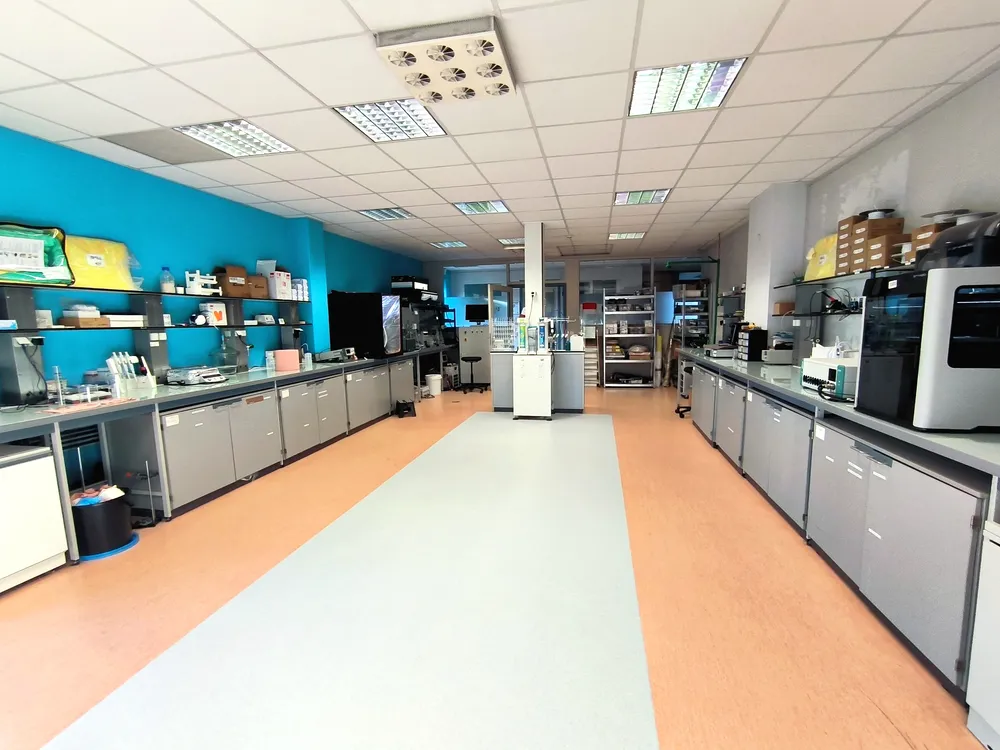
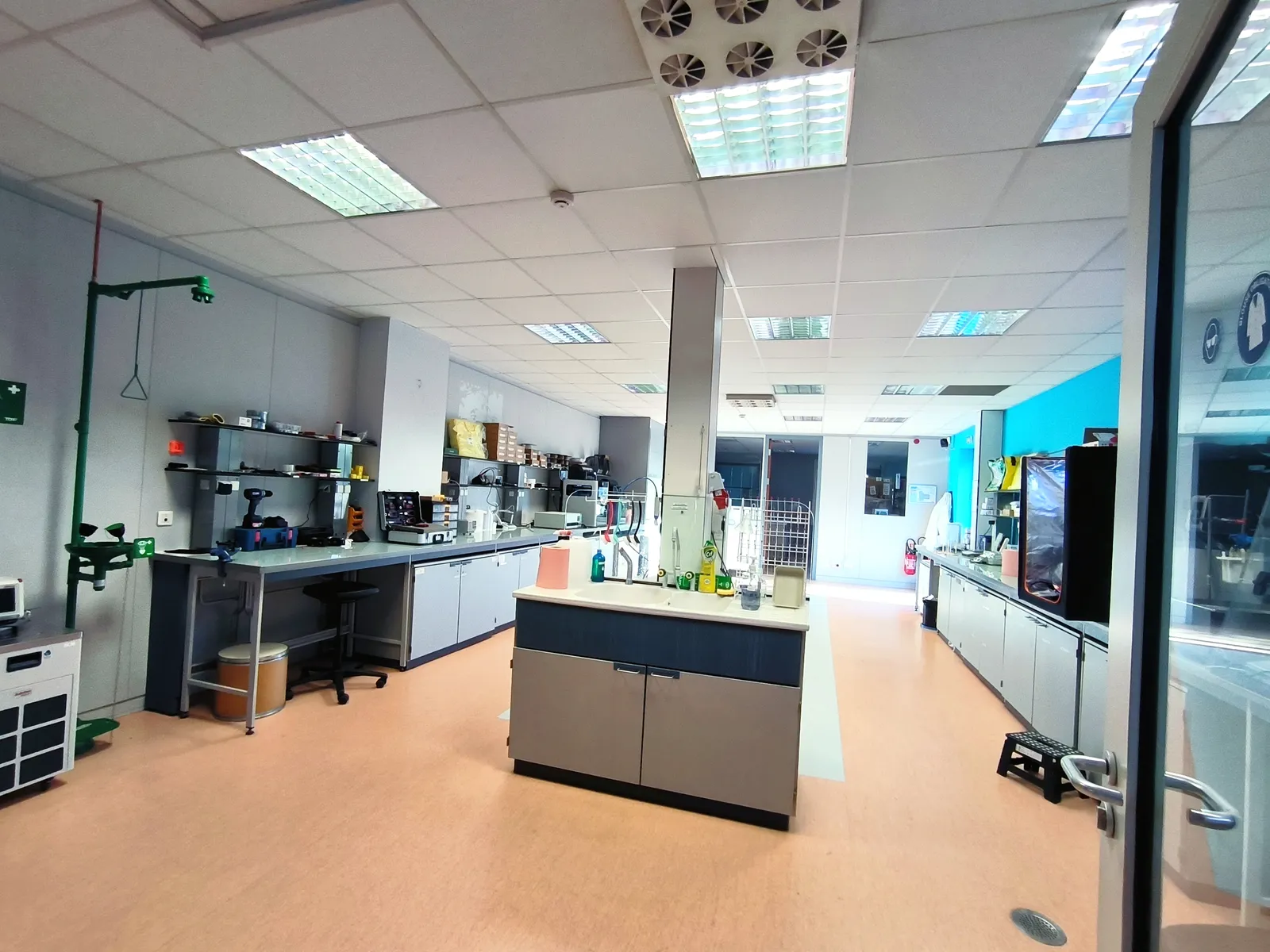
We moved into a purpose-built laboratory in Illkirch-Graffenstaden designed for bigger ideas, better collaboration, and the next stage of our research.


Environmental Impact
Compared with conventional separation technologies. Remedy internal estimates, 2026.